“Maple tonewood characteristics” pulls a crowd of meanings: fretboard brightness, flaming tops, Fender necks, Les Paul caps, roasted maple hype. Maple is one species label covering several roles in electric guitar design, each with different physics and different marketing.
This page separates what maple does in a build from what you can hear on stage, using Guitar Earo’s research archive and the course path that trains pickup and construction cues first.
Maple in one sentence (then the nuance)
Hard maple is stiff, dense, fine-grained hardwood builders use where they want strength, clarity, and predictable machining: necks, fretboards, caps, and some bodies. On electrics, its audible signature is small next to pickups and amp gain, but its mechanical role (stiffness, coupling) shows up in sustain and attack discussions.
Where maple shows up on electrics
| Role | Typical intent | Tone talk (often exaggerated) |
|---|---|---|
| Neck shaft | Stability, truss rod channel | “Snap,” attack, note definition |
| Fretboard | Hard wearing surface | “Brightness” on open strings (nut still matters) |
| Body cap | Visual flame + stiffness | Les Paul “clarity” over mahogany back |
| One-piece / predominately maple body | Rare; very bright in R&D lore | Can ring “too long” in prototype stories |
| Roasted / torrefied maple | Reduced moisture, lighter weight | Damping changes, debated magnitude |
Leo Fender leaned on maple necks for production efficiency (single-piece machining, no angled headstock waste). That is industrial logic from Electric Guitar and Bass Design and Amplified history notes. Tone was part of the platform; manufacturability was equally real.
Mechanical characteristics that matter
Stiffness and density
Design texts group maple among hard, stiff woods (vs “creamy” mahogany). Stiffness ties to energy return at the neck and bridge path, related to sustain talk, but not the same as heavy.
EG&B’s wood chapter: sustain correlates with stiffness more than density. A lighter stiff build can outperform a heavier soft one.
Grain and workability
Close, even grain simplifies finish work. That is why figured maple commands premium prices for looks, with sound claims riding along.
Open or wild grain (spalted, etc.) needs more fill work. Build cost, not a secret tone tier.
Maple cap on mahogany: the controlled experiment
Gibson’s 1950s prototyping (Guitar Earo Holy Trinity / Les Paul research) is the canonical maple characteristic lesson in practice:
- Maple added brightness and sustain feel Gibson wanted.
- Mahogany back kept warmth and weight manageable.
- All-maple alone was too shrill; all-mahogany too soft.
That is maple as a balance layer, not maple as “the sound of rock.”
Read the pair comparison: Maple vs Mahogany.
Roasted maple: what changes?
Research notes in Guitar Earo’s design digest cover roasted vs fresh maple. Thermal treatment reduces moisture and can change damping and weight. Debates mirror tonewood fights: measurable shifts in some setups; masked under gain in others.
Treat roasted maple like any wood fad: A/B with matched electronics before paying the upcharge.
What maple does not guarantee
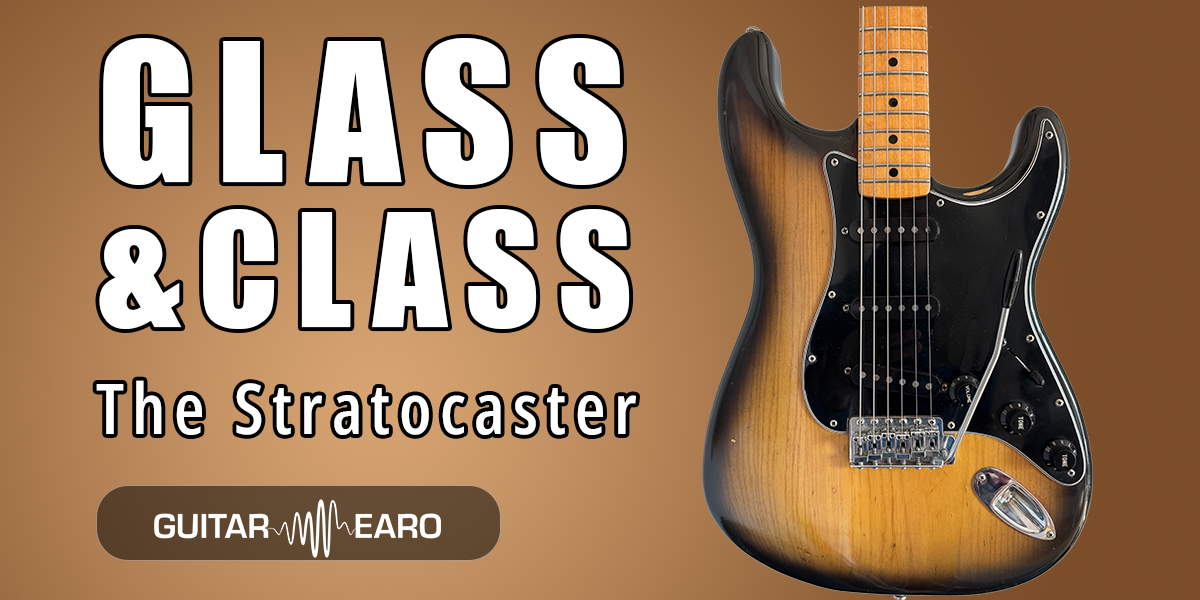
- Not automatic “strat brightness.” Pickups and scale define glass.
- Not identifiable species in a blind test on a cranked amp. Wood’s Subtle Influence cards in Tone Orientation say electric wood effect is subtle and non-regressive.
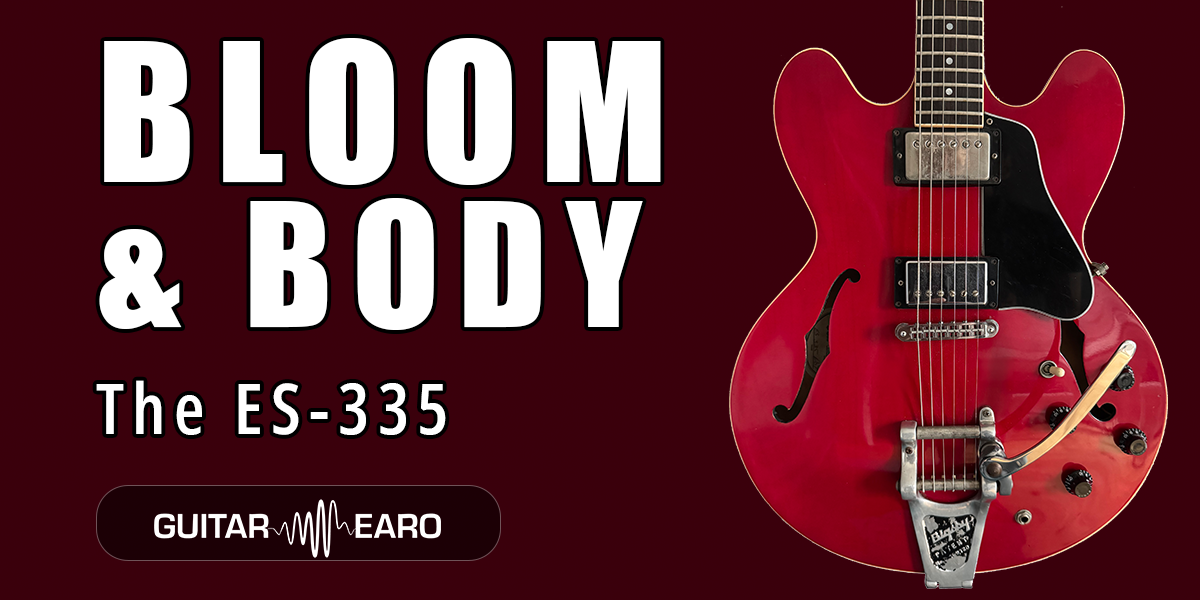
- Not a reason to ignore semi-hollow bloom vs solid stability. Construction beats cap wood.
- Not a substitute for pickup resonant peak. See scatter vs layered winding.
Electric Guitar and Bass Design warns against hunting pickups to “complement Korina tone.” Same for maple: pickups and construction lead.
Maple in the research fights
Guitar Earo’s tonewood debate summary (design research archive) places maple in the measurable but context-limited bucket:
- Lab rigs show spectral envelope shifts between body woods.
- Pickup signal often swamps body differences in amplified playback studies cited there.
- Player expectation amplifies difference when labels are visible.
Honest shopper stance: maple matters at the margin when everything else is excellent and matched.
How Guitar Earo trains around maple claims
The app never asks you to shout “maple!” on a rock riff. It trains surviving cues:
Tone Orientation
- Anatomy of Tone: brightness, weight, bite, sustain as heard categories, not wood IDs.
- Wood & Weight: the Les Paul: contrasts dense US Set feel vs US Bolt glass (mahogany association vs Fender platform, family level).
- Construction Concepts: wood’s envelope role; do not chase tonewood myths.
- History: US Set maple cap + mahogany template vs US Bolt maple neck bolt-on archetype.
Tone Discrimination & Judgement
- Weight vs bite within Gibsons, not maple vs mahogany species cards.
- Why Wood Debates Collapse: under gain, omit wood from primary judgement.
Use maple knowledge to interpret marketing. Use courses to hear pickups and construction.
Shopper checklist for “maple tone”
- Which maple? Neck, board, cap, or body. Different jobs.
- What pickups? Single-coil vs HB changes more than grain.
- Solid or semi? Construction first.
- Clean A/B: same part, same cable, instant switch.
- Comfort: hard maple necks feel different. That is playability, not mysticism.
What to do next
If you want maple clarity, test pickup position and type on a reference you trust, then compare bodies with everything else locked.
Train in Guitar Earo starting with Anatomy of Tone and Wood & Weight, then Construction Concepts when bloom vs stability confuses you.
Download the app. 7-day free trial, matched A/B clips, then learn what actually moves the needle.